How to Manage High Expectations From Your Parents

Do you feel high expectations from your parents? This can lead to many negative effects on you and your game. Use these tips to manage these high expectations.
Mental Performance Coaching

Quick Summary:
- Mental performance coaching helps athletes strengthen their mental game just like physical training.
- A mental performance coach works with athletes to overcome fear, anxiety, self-doubt, and distractions.
- Coaching focuses on developing key mental skills such as positive self-talk, visualization, breathing control, mindfulness, and goal-setting.
- Through structured sessions, athletes gain confidence, focus, resilience, and composure under pressure.
- The goal is to help athletes perform freely, naturally, and consistently—unlocking their full potential in competition.
Mindset Shifts to Overcome Fear of Failure in Sports

Do you struggle with fear of failure in sports? If so, then learn the two mindset shifts you need to adopt and watch as this fear of sports failure fades away.
Mental Training for Athletes
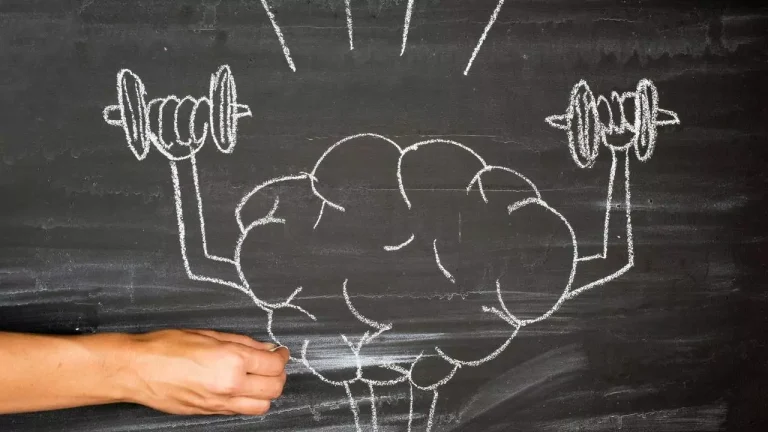
Mental training for athletes helps you build the mental skills you need to succeed. Learn what mental training is and how to do mental training for yourself.
What is Sport Psychology?
The field of sport psychology is a key ingredient to athletic success. Learn exactly what a sport psychology coach is and how they can help elevate your game.
What To Do If You Lose Focus During A Game
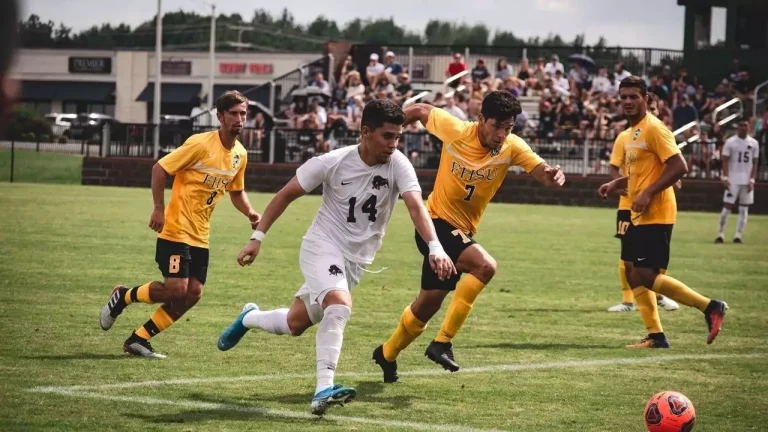
To perform your best, you need to be fully focused! But holding focus throughout a game is hard! Learn what you need to do if you lose focus during a game.
What To Do If You Have Anxiety Before A Game

It can be tough when you’re faced with anxiety before a game. Learn the 4 step gameplay you can use to calm yourself when you have anxiety before a game.
Sports Visualization Techniques for Athletes

Quick Summary: Visualization Techniques for Athletes
- What It Is: Visualization involves creating vivid mental images of successful performances to strengthen your mental game.
- Why It Works: Your brain responds to mental imagery the same way it does to real performance — helping you build confidence, focus, and muscle memory.
- Benefits: Reduces anxiety, improves consistency under pressure, boosts confidence, and aids recovery from injury.
- Key Techniques: Visualization for handling pressure, promoting relaxation, mastering skills, and speeding up recovery.
- How to Do It: Engage all your senses and emotions — picture every detail, feel calm and confident, and rehearse success until your mind believes it.
Why You Perform Well in Practice But Not Games: And How to Fix This!
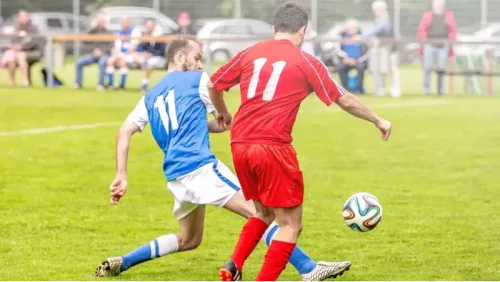
Quick Summary:
- The Problem: You play great in practice but struggle under pressure during games.
- Why It Happens: Practice feels safe — no score, judgment, or external pressure. Games bring pressure, anxiety, and fear of failure that shift your focus from process to outcome.
- The Root Cause: Outcome thinking — worrying about results, what others think, or not making mistakes.
- The Fix: Identify your main distraction (Is it pressure, anxiety, or fear?). Work through it using tools like mental imagery, a pre-game routine, and reframing mistakes. Focus on the process — controllables like effort, attitude, and specific performance cues.
- The Goal: Train your mind to stay present and play freely, so you perform the same in games as you do in practice.
How to Use Mental Imagery to Gain Confidence in a Skill
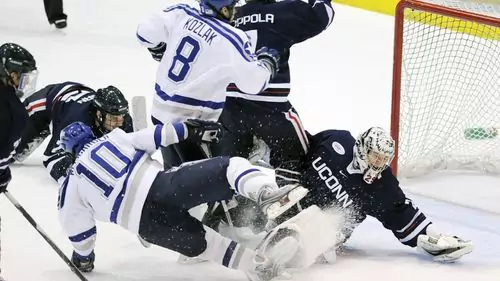
Low confidence significantly hurts your performance. Learn how you can build confidence in yourself and skills by using this mental imagery technique.