
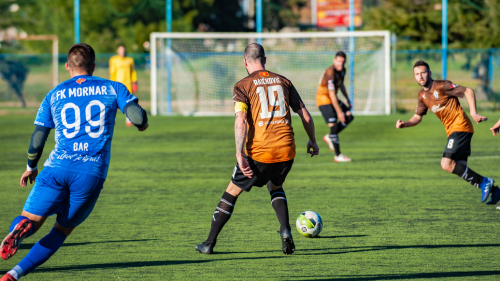
Have you ever found yourself stuck in a slump in sports? Maybe it’s been a weekend, a few weeks, or even months where your performance just isn’t where it should be—and no matter what you do, you can’t seem to pull yourself out of it.
Slumps affect every athlete, regardless of the sport you play. You might be performing great in practice, but come game time, things fall apart. It’s frustrating, confusing, and can really damage your confidence.
In this article, I’ll break down why slumps form, what causes them to continue, and most importantly, what you can do to get out of one.
What Really Causes a Slump?
I’ve worked with hundreds of athletes across different sports and age groups, and one of the most common challenges they face is being stuck in a slump.
What’s interesting is that most athletes I work with will still perform well during practice. Their skills and technique seem fine. So why doesn’t it show up in games?
From my own experience as a baseball player and as a mental performance coach, I’ve seen that slumps often begin with just one or two bad games. But what turns a couple of rough outings into a full-blown slump is the way athletes respond to those bad games.
Here’s what typically happens:
- You have a bad game.
- You respond with harsh self-criticism and frustration.
- You go into the next game overthinking everything.
- You feel pressure to perform and a growing fear of making more mistakes.
That anxiety and fear negatively impact your performance, which leads to another poor game—and the cycle continues.
The Most Important Factor: How You Respond to Bad Games
One of the most powerful things I tell athletes is this: The way you respond to a bad game will determine whether or not a slump begins or continues.
Respond with negativity and judgment, and you’ll create stress and tension. That pressure causes you to play timidly, and before you know it, you’re stuck in a downward spiral.
Two Steps to Get Out of a Slump
Yes, sometimes a slump can be caused by a technical flaw. But more often, it’s mental. The mindset you take into games—and how you think after them—can either help or hurt you.
Step One: Shift Your Focus Before Games
To break the slump cycle, you have to start by shifting how you approach your games.
Most athletes in a slump are playing with:
- Anxiety
- Fear of failure
- Pressure to force a good performance
This creates mental tension that blocks your ability to perform freely. You’re so focused on the outcome that you can’t get into a rhythm.
So what’s the solution?
Simplify.
Instead of trying to “break the slump” or “have a great game,” pick one simple, controllable part of your game to focus on—something you know you can do well.
Example:
I worked with a basketball player who was struggling with a scoring slump. Instead of focusing on points, we shifted his attention to giving great effort on defense.
This small change helped him get into the rhythm of the game and feel like he was contributing. Ironically, his offense improved soon after—because he stopped forcing it.
Whatever sport you play, find your version of this:
- If you’re a pitcher, focus on throwing each pitch with full conviction.
- If you’re a tennis player, focus on your footwork and movement.
- If you’re a soccer player, maybe it’s making smart passes.
The key is choosing something simple and process-oriented. Something that brings you into the moment.
Step Two: Reframe How You Evaluate Your Performance
How you respond after games is just as important as how you prepare for them.
When you’re in a slump, it’s easy to focus only on what went wrong. You look at your stats, compare yourself to others, and beat yourself up.
But that only creates more:
- Negativity
- Doubt
- Fear
If you want to build momentum and belief, you have to start seeing the positives—no matter how small.
What to Do:
After each game, ask yourself:
- What did I do well today?
- What is one thing I can improve?
By doing this, you’re building confidence and giving yourself something to work on without being overly critical. You’re training yourself to think more objectively, which is vital for long-term growth.
The Real Problem Isn’t Always Performance
Working through a slump is one of the hardest things you’ll do as an athlete—mentally speaking. It can feel never-ending, and your mind will tell you there’s no way out.
But most of the time, the real problem isn’t your performance. It’s the fear, pressure, and mental tension you bring into the game.
By simplifying your focus and evaluating yourself more positively and objectively, you shift out of fear and into trust. And with trust comes confidence. That’s when your hard work in practice finally starts to show up in games.
Want Help Getting Out of Your Slump?
If you’re stuck in a slump, know this: there is hope.
You don’t need to overhaul your entire game. You don’t need to force a breakout performance.
What you need is a mental shift—before and after games.
- Simplify your approach.
- Focus on controllables.
- Evaluate with objectivity and grace.
Trust the process, stay patient, and the results will come.
If you’d like help working through your slump, I offer a 12-week 1-on-1 mental performance coaching program.
I’ve also created two online courses:
And if you’re more of a reader, check out my books:
Thank you for reading and I wish you the best of success in all that you do.